
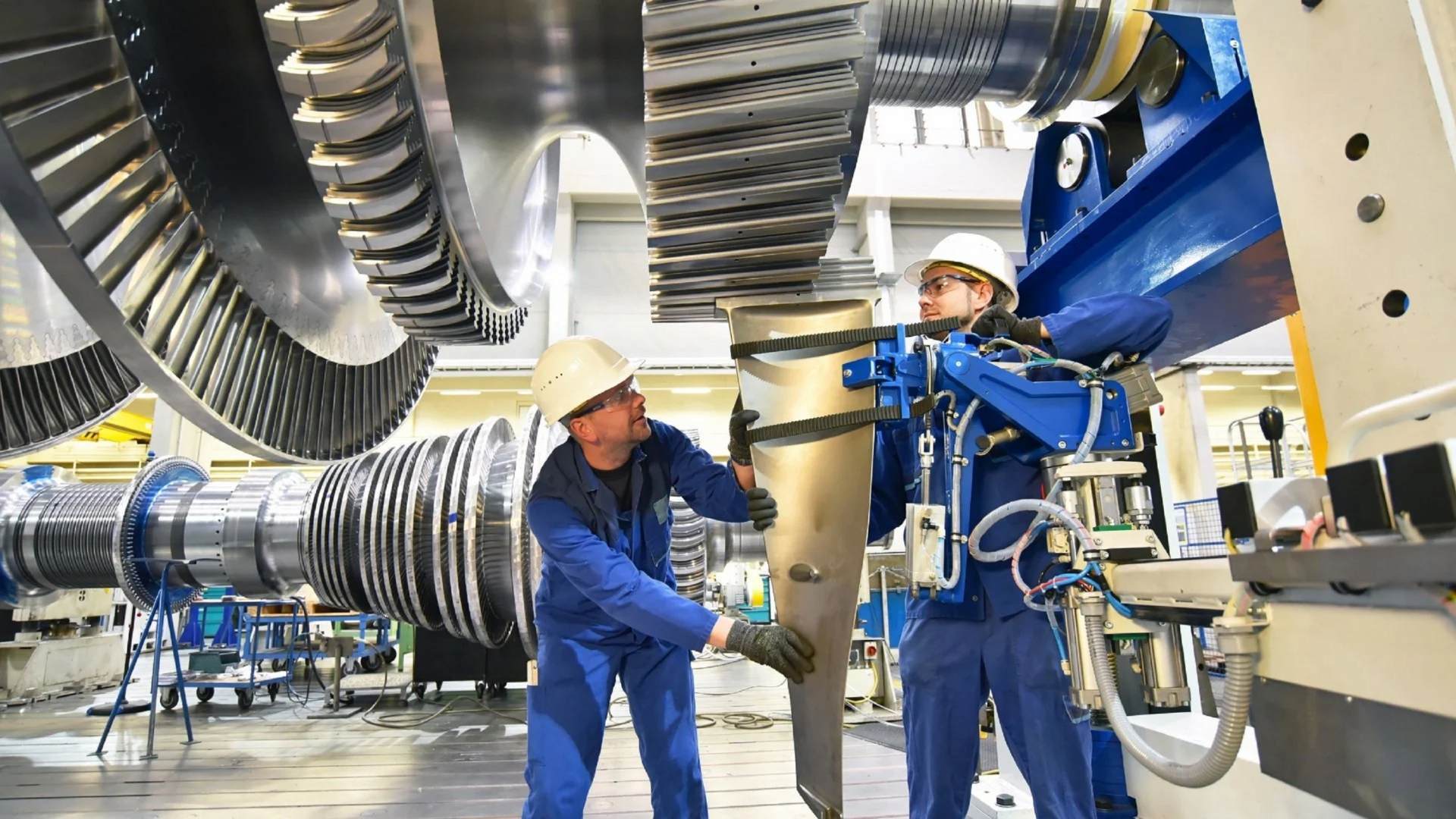
Aerospace Micro Parts: Protecting Concentricity and True Position
Aerospace micro components leave no margin for drift. When parts measure in millimeters and tolerances stack in microns, even small process shifts show up in inspection. The challenge is not just hitting spec once. It is holding concentricity, true position, and dimensional consistency from the first piece to the last.
For shops running multiple operations across different machines, that stability becomes harder to control.
Where Aerospace Shops Lose Control
Many micro part issues do not start at the tool. They start in the process flow.
Shops begin to lose stability when:
- Parts move between machines
- Re-clamping shifts axis alignment
- Milling and turning are separated
- Multi-operation tolerance stack accumulates
The result is predictable:
- Concentricity creep across the production run
- True position variation between features
- Dimensional inconsistency from part to part
- Inconsistent inspection results and mid-run offsets
In aerospace manufacturing, these variations lead to rework, scrap of exotic alloys, and lost confidence in process capability.
Why Single Setup Machining Changes the Outcome
Even the smallest aerospace components must satisfy stringent precision and regulatory requirements. That level of control demands a platform that protects alignment throughout the entire cycle.
Machining complete in one setup eliminates the main sources of tolerance stack. Concentric features stay tied to the same datum structure. Cross features maintain their relationship. True position holds because the part never leaves its reference.
This is where Swiss and multifunction platforms provide a measurable advantage.
Swiss Platforms for Micro Stability
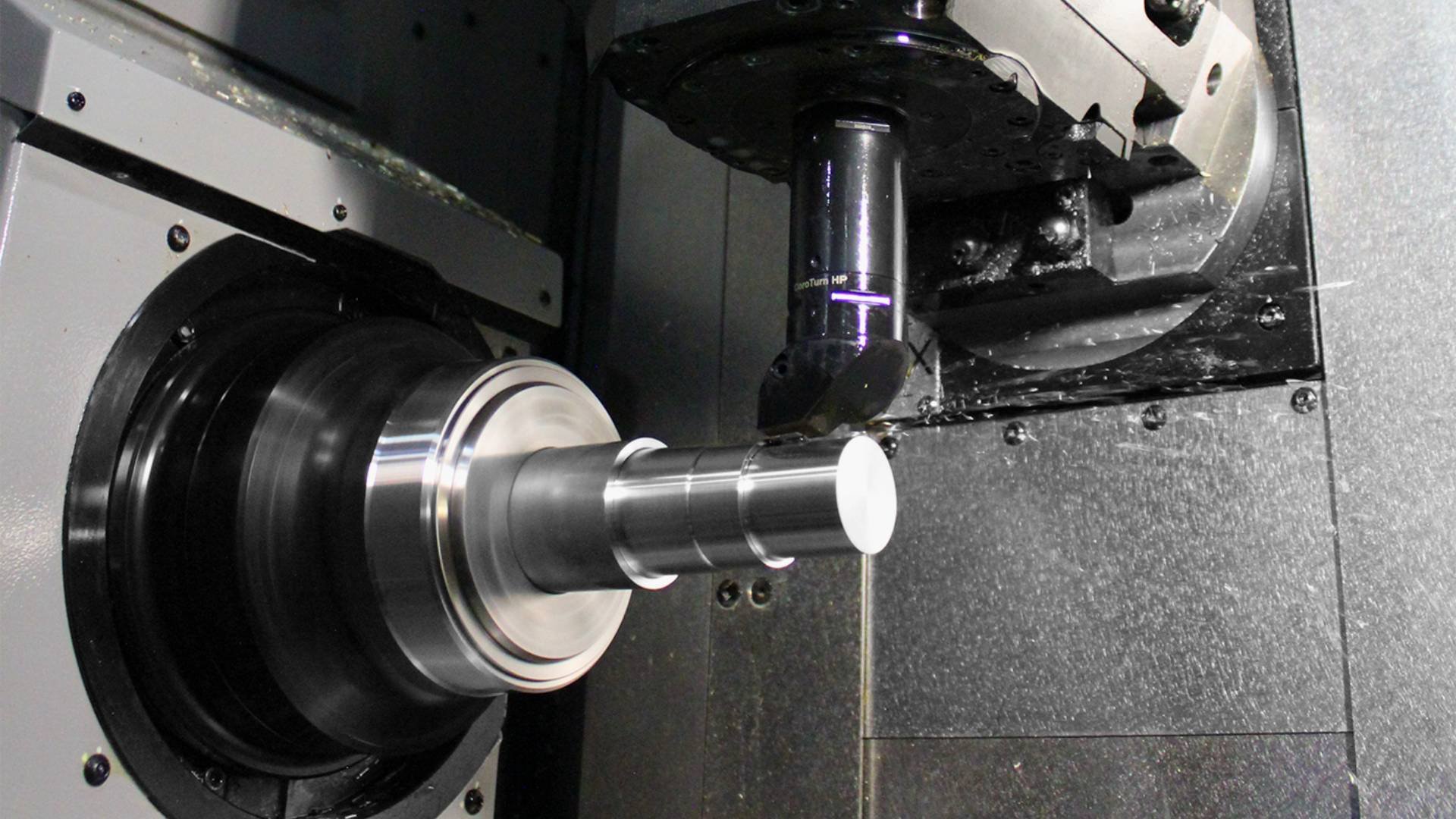
Tsugami Swiss machines are built for small diameter parts that demand run-to-run control.
Key advantages include:
- Guide bushing support for bar stability during long, slender cuts
- Sub-spindle backworking to finish both ends without re-clamping
- Split-side simultaneous cutting for balanced cutting forces and cycle reduction
- Three tools in the cut capabilities on select split-slide models
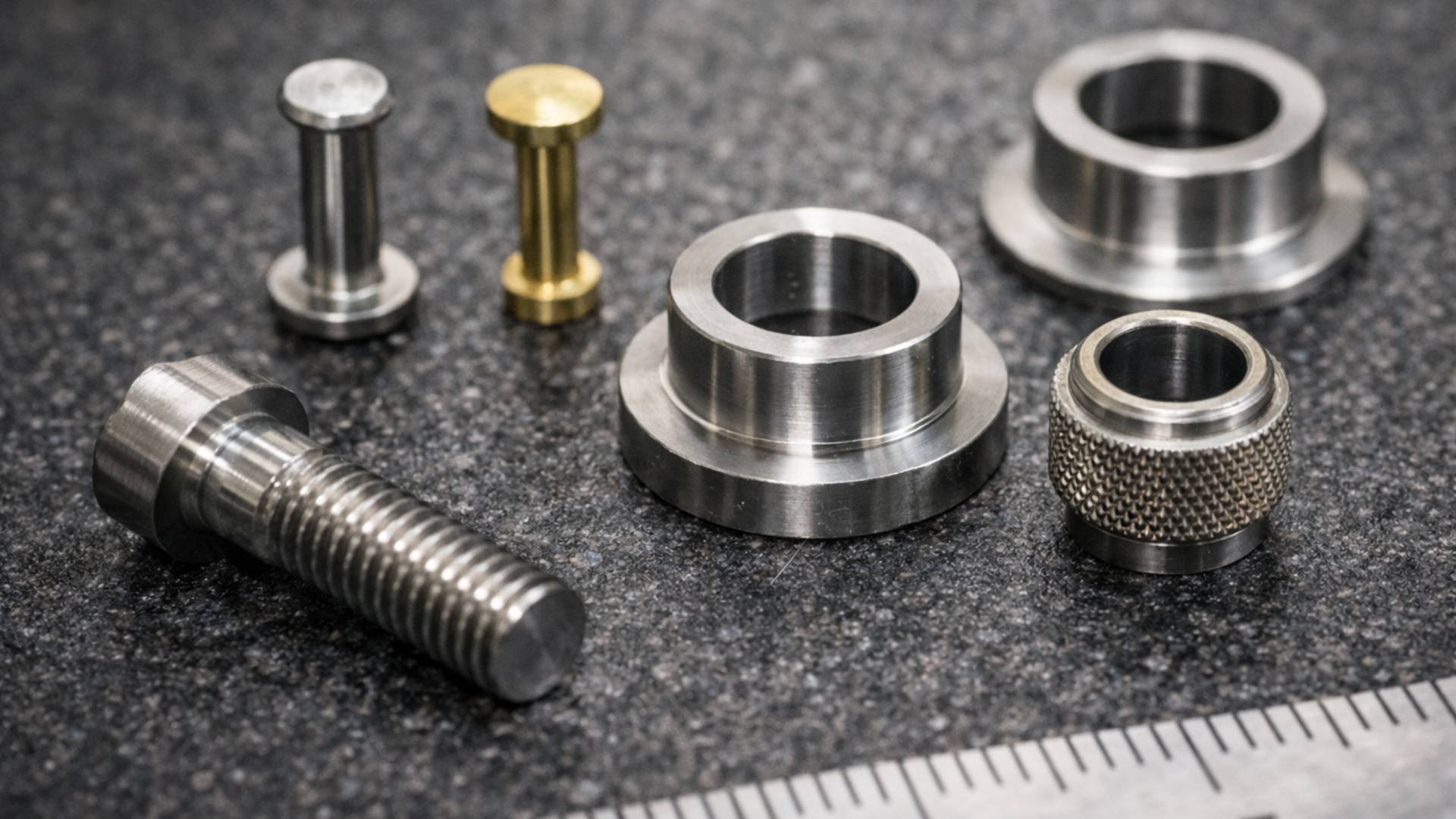
These configurations are ideal for collars, fasteners, fittings, and spools where concentricity and coaxial relationships must remain intact across full batch.
The result is improved stability across the run, not just on the first article.
.jpg?width=1920&height=1080&name=P360_Multifunction-Aerospace-Machining%20(1).jpg)
Multifunction Platforms for Complex Geometry
When aerospace parts require complex geometry such as impellers, blades, and vanes, separating turning and milling introduces alignment risk.
Multifunction platforms combine turning and milling in a single cycle.
This provides:
- Full cross-feature alignment control
- Stable true position between milled and turned features
- Reduced tolerance stack between operations
For micro impellers, miniature blades, and high precision rotating components, this integration protects the geometric relationship across the entire part.
The Precision360 Advantage
Machine capability alone does not guarantee aerospace stability. Process control, training, and support determine whether that capability translates into repeatable results.
Precision360 supports Tsugami Swiss and multifunction platforms with:
- Application guidance focused on aerospace micro tolerances and process planning
- On-site training for operators and programmers to maintain concentricity and true position over long runs
- Service support that protects uptime and preserves calibration integrity
- Process optimization assistance to reduce inspection variation and second operation risk
With direct Tsugami expertise, Precision360 helps shops configure the right platform, validate the process, and scale production without sacrificing geometric control.
The objective is not just to install a machine. It is to build a stable aerospace micro manufacturing cell that holds spec from first piece approval through full production.
Measurable Outcomes in Aerospace Micro Production
When machining is consolidated and stabilized and supported by experienced technical guidance, shops see tangible results:
- Improved run-to-run concentricity
- Stable true position across multiple features
- Stronger dimensional consistency across long runs
- Reduced second operation variation
- Fewer inspection adjustments mid-run
- Lower scrap rates on high value aerospace alloys
Instead of reacting to drift, aerospace manufacturers gain control over it.
Reduce variation before it reaches inspection. Talk with our team about building a single setup process that protects concentricity across the entire run.